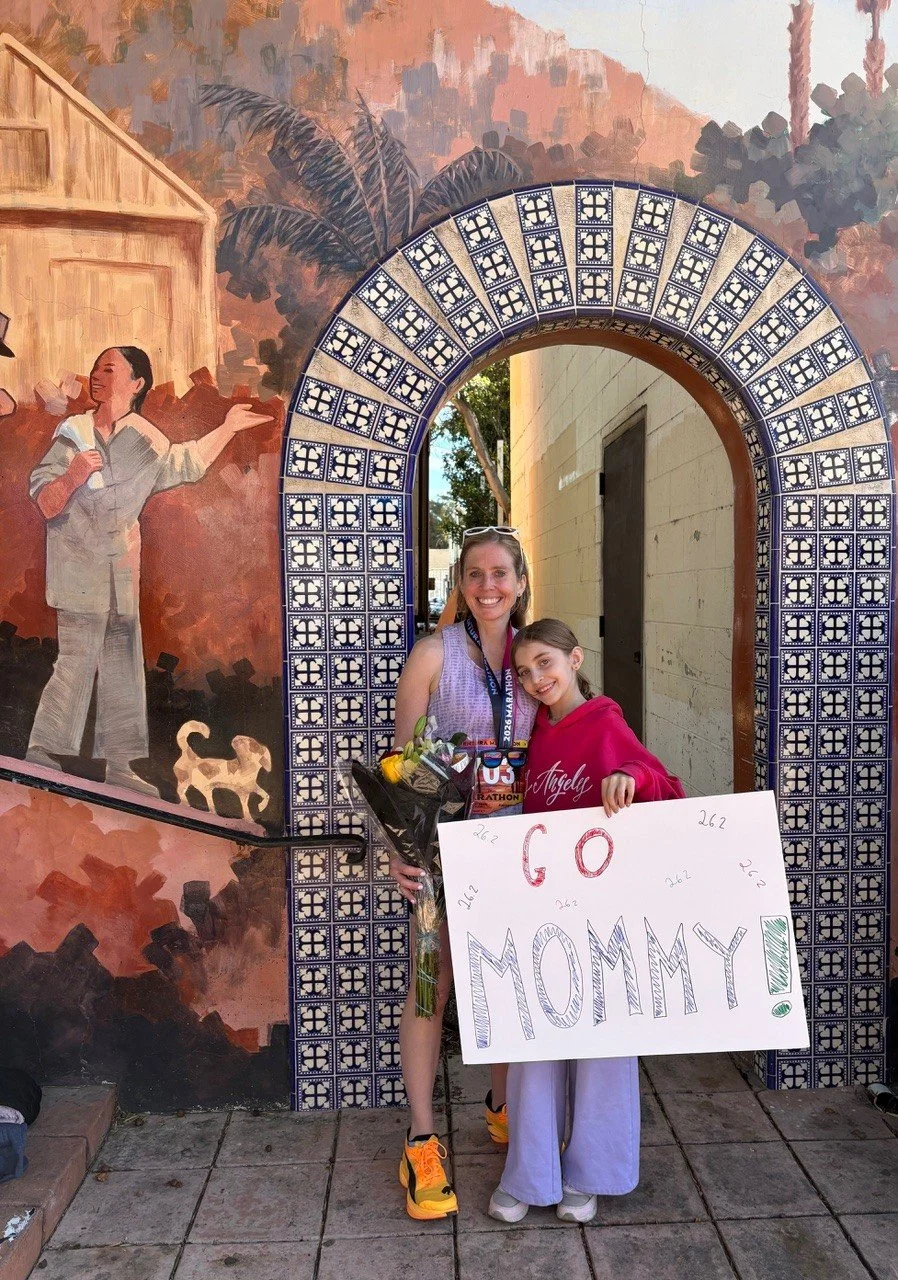
Hi, I’m Carin.
I’ve always sought to wring the most meaning out of the life I’ve been given—from soaking up every second I can with my two amazing children, to completing marathons across the country and beyond, to learning everything I can from the colleagues and friends who have taught me so much, I’ve embraced experiences and savored my life.
But now in order to continue to do so I need a new liver.
I’m hoping to find a donor to partner with me who, like me, finds meaning in challenge, in doing good for others, and in living life fully.
I’ll tell you more about why I need it, below. But first, thanks for reading and considering this request, which—like running marathons—a lot of people might find extreme!
⇩
If you are reading this, you probably know me… or at least some aspect of who I am. You may also realize that I am profoundly uncomfortable with writing a plea like this—I do not like asking for help of any sort, and I am generally a very private person. But given my circumstances, I am taking the risk of writing this all up, hoping that perhaps someone can help.
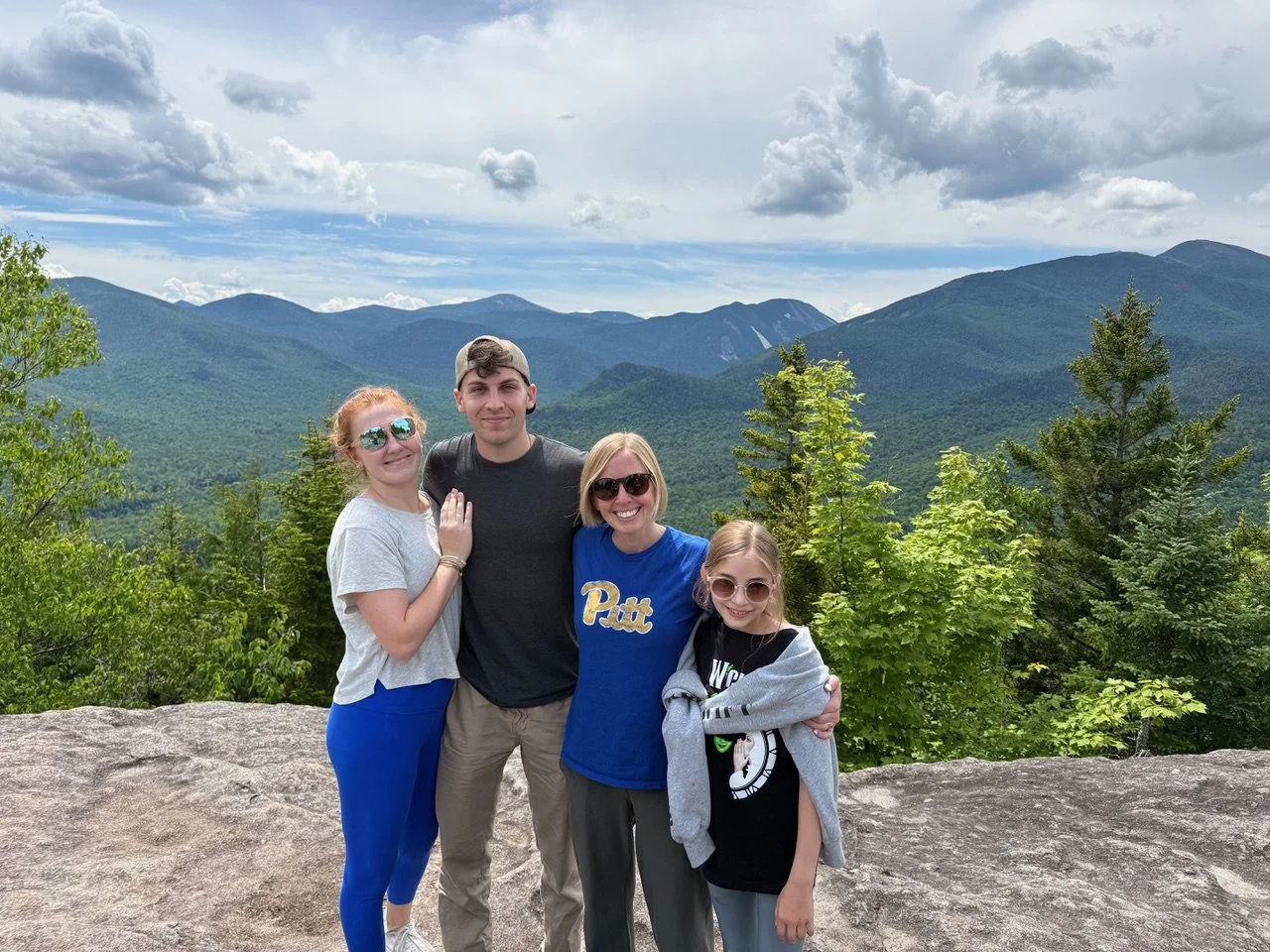
My Story
I have cancer, and a liver transplant is my best shot at survival.
This improbable health journey began for me on March 6, 2026. I had had a biopsy about a week prior for a lesion that had been seen incidentally on an MRI for Crohn’s Disease, a disease with which I’ve been living since I was eleven years old.
No one thought it was cancer, but there I was, by myself in a hotel room on a work trip, logging in to see the results in my chart, and the words were stark and required no googling: Hepatocellular Carcinoma. Cancer.
HCC, as it is commonly known, is a cancer that primarily affects people with previously damaged livers—people with hepatitis or cirrhosis. I have neither. I am young and have no history of liver problems. I ran a marathon the week prior to my biopsy. The shock of the diagnosis was not just mine; doctors have regarded me as an anomaly or a puzzle. Nonetheless, comprehensible or not, it is the reality.
Weeks after I was diagnosed, I had surgery to remove the section of my liver containing the tumor, along with my gallbladder. I am good at surgical recovery, having had several surgeries to remove intestine damaged by Crohn’s disease, and I worked hard and bounced back quickly. Surgery can be curative with HCC, and that was certainly the hope in my case. But four months later, in August of 2026, my follow-up CT scan showed a new tumor.
With recurrent HCC, the survival rates are not good. The cancer will come back again and again. The odds of dying are high. My best chance at a long and healthy life is now a liver transplant.
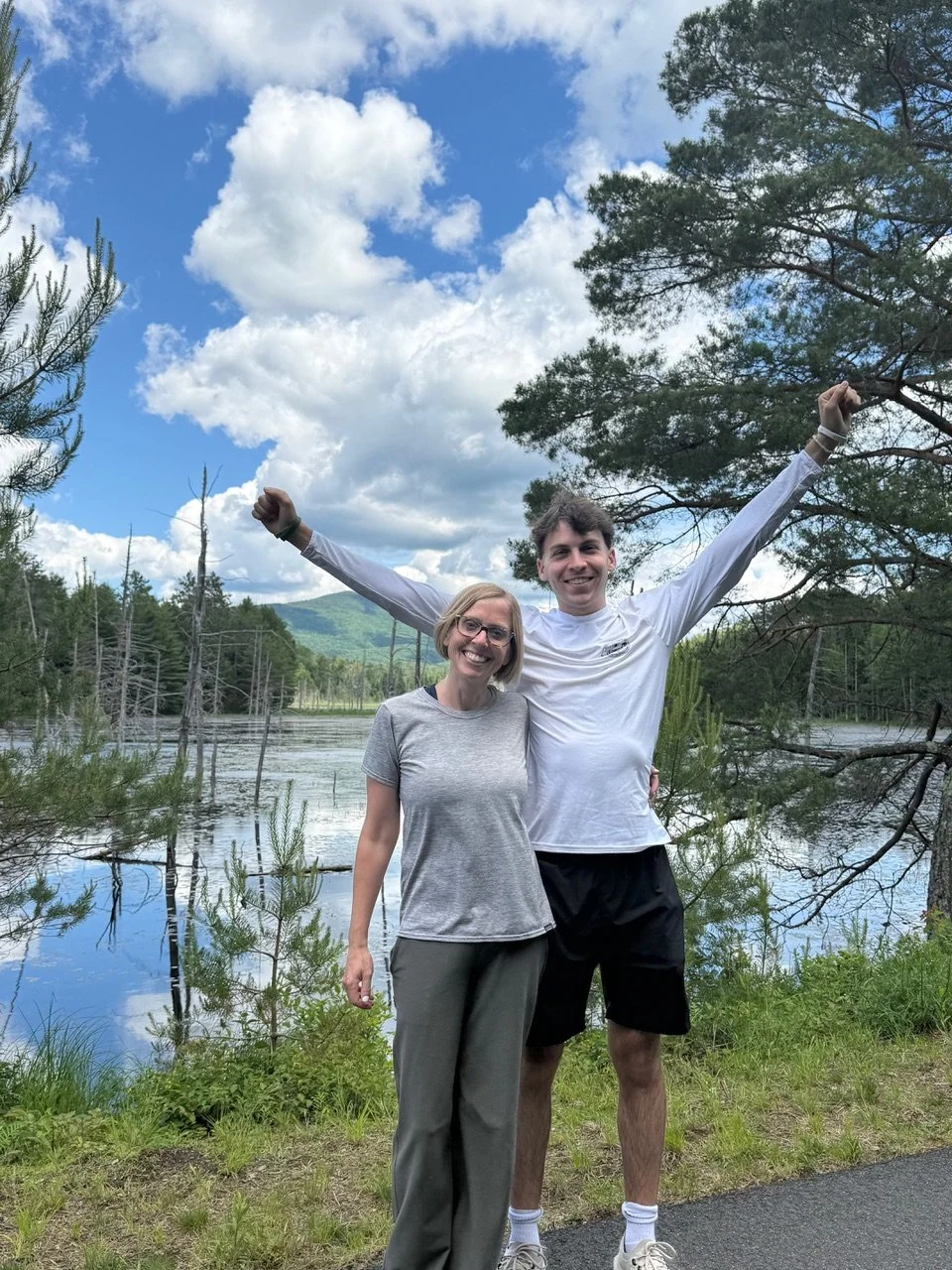
I need a living liver donor
There are two ways to get a liver: you can receive a half of the liver of a living donor (in which case, both the donor’s liver and mine would grow back to full size within three months), or you can receive the liver of a deceased person.
Livers from living donors result in slightly higher survival rates for the recipient, and can allow for a scheduled and planned surgery. Most importantly, the transplant could be scheduled in 2-3 months. The wait for a deceased organ for someone in my situation would likely be 6-12 months. That wait is very risky, because we already know that there is cancer growing and spreading inside me.
I am desperate to stay alive, and to do so, I’ll need a liver before the cancer spreads. I am therefore putting my story out into the world with hope but no expectations.
A few facts about liver donation:
Cornell (and possibly Penn?) does its donor surgery laparoscopically, making the recovery simpler, faster, less painful, and with a smaller scar than a traditional open surgery.
Serious adverse events are exceedingly rare (my hepatologist could not think of one that occurred nationwide in the last five years)
Donors are assigned their own medical team, separate from the recipient’s team, whose only job is to assess the donor, irrespective of the recipient’s need, and ensure that the donor’s health would not suffer from donating
The surgery usually requires a 4-6 day hospitalization, and patients usually feel fully recovered by 6 weeks.
The donor’s liver regrows to its full size by three months.
My insurance pays for the donor’s medical costs.
If you would like to learn more about living donation, this site explains the process well:
https://weillcornell.org/services/liver-transplantation-hepatobiliary-pancreatic-surgery/living-donor-liver-transplantation-program/process
I can say with certainty that I would put an organ to good use. I would work hard at recovery, and I would live fully and vibrantly in ways that honored the incredible gift I received. But most of all, a new liver would allow me to continue to be there for my children until they are grown.
My kids are wonderful. They are at the center of how I’ve built my life, and all children need their mothers, but my two have been through more than they should have, not least with worrying about and witnessing my health struggles. My younger one is only ten years old, and I am her only parent and caregiver. I promised her that I would always be her rock.
I want so very much to live for their sake.
So with that in mind, thank you for considering getting tested or for passing this along. If you are blood type O (positive or negative) and healthy, you could be a match.
Please take the next step
If you think you might be interested in donating after reading all that is entailed, please let me know, and I will make sure to connect you with the right person or office.
Please email me at Liver4Carin@gmail.com or visit this website to inquire about becoming a potential donor (which is done anonymously).
I am working with both Weill Cornell in New York City and Penn Medical Center in Philly, and I can provide you with information about being screened/donating at either facility. Cornell has assured me that they would streamline screening appointments as much as possible for any interested donor, aiming to complete all testing in one day.
Thank you for considering this.
With hope and gratitude,
Carin